Supreme Court ruling on Trump’s tariffs ‘will not bring relief to Europe’, experts say
Businesses, investors and households could face a period of fresh uncertainty following the decision in the US’s highest court
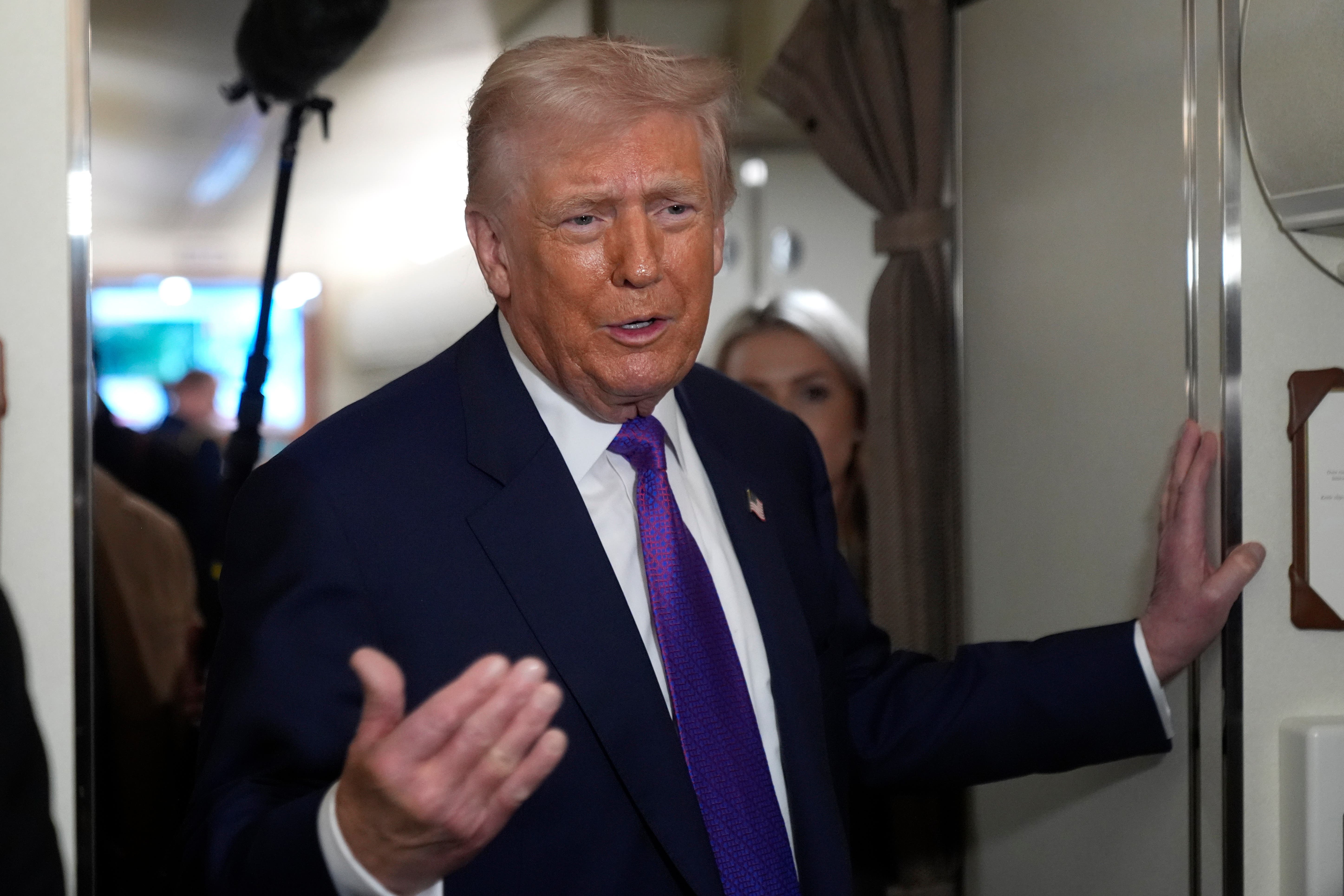
Donald Trump’s trade tariffs are "here to stay" despite a recent US Supreme Court ruling, which experts warn has not removed the ongoing threat of his protectionist policies.
The decision by the US’ highest court could usher in fresh uncertainty for businesses, investors, and households.
While the Supreme Court did strike down a significant portion of the tariffs, specifically the sweeping "reciprocal" duties Trump had imposed on nearly every other country, these were originally enacted under an emergency powers law, the International Emergency Economic Powers Act (IEEPA).
While the decision is significant and will immediately cut the US’s average tariff rate, Mr Trump still has the ability to impose tariffs – which are taxes on US imports – under other grounds.
Carsten Brzeski and Julian Geib, analysts for ING, said: “Europe should not be mistaken, this ruling will not bring relief.
“Instead, Section 301 and 232 investigations can target specific sectors more precisely than IEEPA’s broad-brush approach.”
This refers to alternative means through which Mr Trump can justify certain tariffs, particularly those targeting specific products, but that require potentially lengthy investigations into the issues first.
“Pharmaceuticals, chemicals, automotive components are all plausible candidates for the next round,” they said.
“The legal authority may be different, but the economic impact could be identical or worse.”
They added that the president’s tariff agenda was “here to stay” but with “new legal foundations and a messy transition period”.
Michael Pearce, chief US economist at Oxford Economics, said: “The Supreme Court ruling on tariffs immediately lowers the effective tariff rate down sharply, from 12.8% to 8.3%.
“Any boost to the economy from lowering tariffs in the near term is likely to be partly offset by a prolonged period of uncertainty, and with the administration likely to rebuild tariffs through other, more durable, means, the overall tariffs rate may yet end up settling close to current levels.”
Mr Pearce pointed out that the court did not rule on whether the US administration should refund the roughly 130 billion US dollars (£96 billion) worth of tariffs already paid, which will “likely trigger a prolonged legal battle”.
He joined other experts in cautioning that the decision could lead to a fresh bout of trade policy uncertainty, with potential workarounds for Mr Trump likely to affect sectors and countries differently.
Lale Akoner, global market analyst for eToro, said: “The Supreme Court’s decision to strike down President Trump’s use of IEEPA tariffs removes one legal channel but does not signal the end of the tariff regime.
“Importantly, other authorities such as Section 232 and Section 301 remain available, and the administration has made clear it intends to use them.
“That reinforces the idea that tariffs are likely to be recalibrated, not eliminated.”
Join our commenting forum
Join thought-provoking conversations, follow other Independent readers and see their replies
Comments
Bookmark popover
Removed from bookmarks