Scientists in China make breakthrough with fusion energy
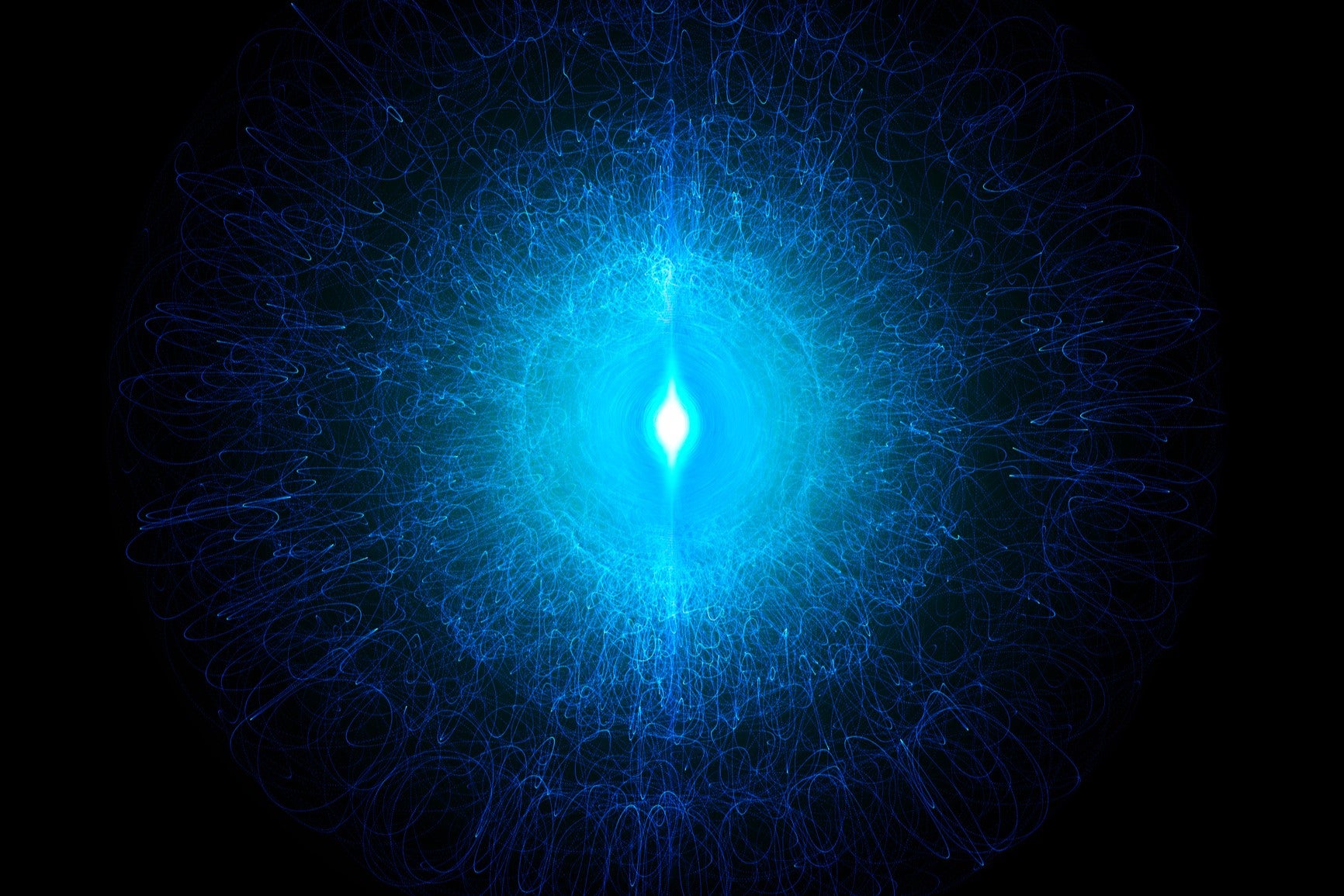
An illustration of the reaction inside a tokamak device used to produce nuclear fusion energy (iStock/Getty)
Scientists in China have made a significant breakthrough in nuclear fusion, advancing efforts towards a next-generation clean energy source.
A team from the Chinese Academy of Sciences (CAS) achieved unprecedented plasma density in their experimental nuclear reactor, known as the ‘artificial Sun’.
This achievement overcomes the Greenwald Limit, a theoretical barrier that previously caused fuel plasma to become unstable at certain densities.
Through a new process called plasma-wall self-organisation, researchers maintained stable plasma at density levels previously considered impossible, paving the way for higher energy outputs.
The findings offer a practical pathway for future fusion devices, with plans to apply the method to the EAST reactor and commercial ventures like Helion Energy aiming to deliver fusion power by 2028.