

Stay up to date with notifications from The Independent

Notifications can be managed in browser preferences.

Missed Leonid meteor shower’s peak? You still have a chance to see dazzling display
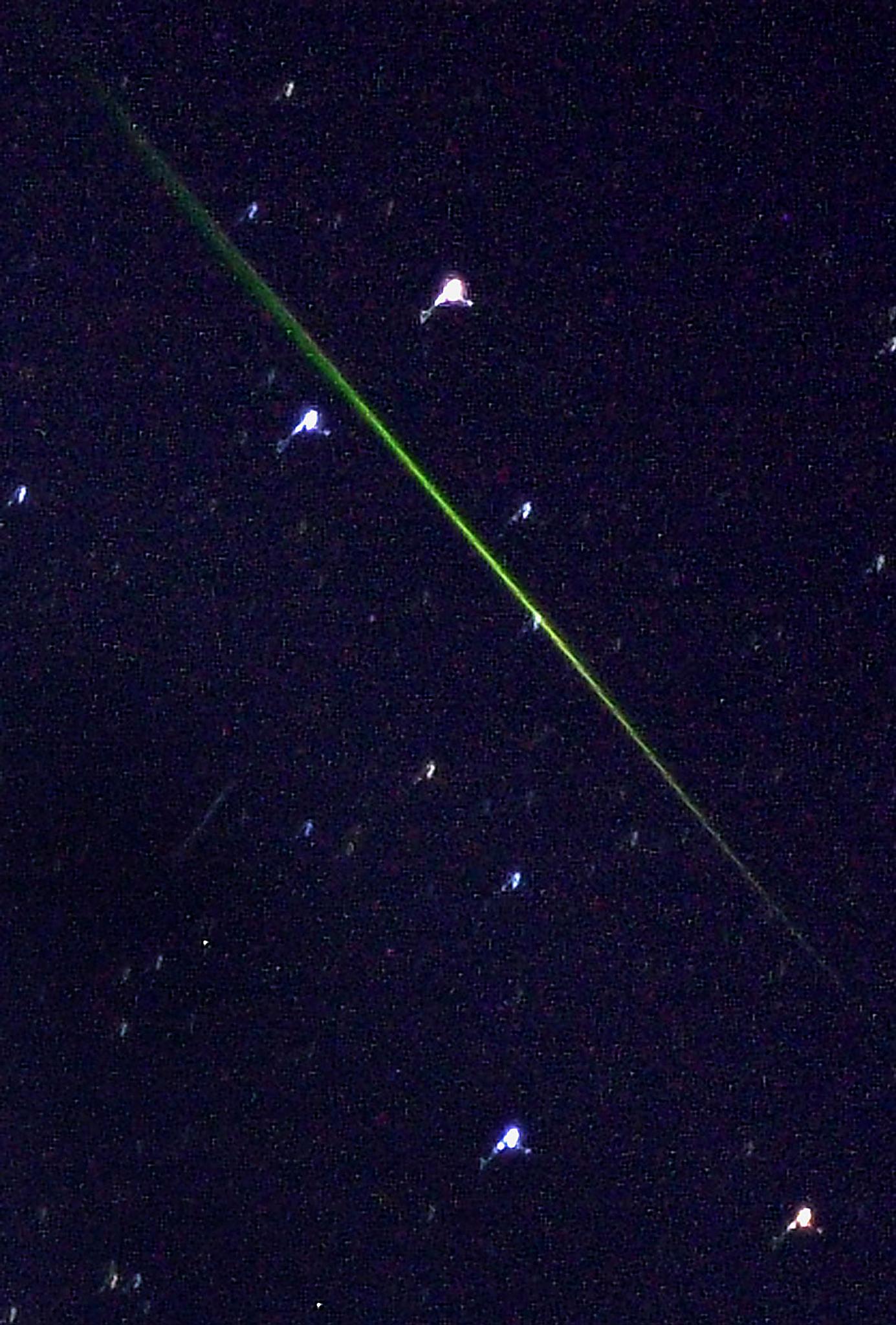
SHERBORN, UNITED STATES: The green streak of a meteor seen in the southern sky of New England photographed in Sherborn, Massachusetts early 18 November, 2001 and was one of thousands that entered the earth's atmosphere during a major meteor shower. The shower, which occurs over several days every mid-November, is called the Leonids because it appears to come from the constellation of Leo
SHERBORN, UNITED STATES: The green streak of a meteor seen in the southern sky of New England photographed in Sherborn, Massachusetts early 18 November, 2001 and was one of thousands that entered the earth's atmosphere during a major meteor shower. The shower, which occurs over several days every mid-November, is called the Leonids because it appears to come from the constellation of Leo (JOHN MOTTERN/AFP via Getty Images)
  • The Leonids meteor shower peaked early Monday but stargazers in the United States still have a chance to see the dazzling light show in the sky.
  • The Leonids peak annually in mid-November, typically producing around three meteors per hour, but the entire shower lasts about a month, through Dec. 3.
  • The meteors are known for being bright, colorful, and exceptionally fast, traveling at speeds of 44 miles (71 kilometers) per second.
  • Approximately every 33 years, the Leonids can produce a spectacular meteor storm, defined by at least 1,000 meteors per hour.
  • Significant Leonid storms occurred in 1966, where thousands of meteors per minute were observed, and the last storm was recorded in 2002.

Thank you for registering

Please refresh the page or navigate to another page on the site to be automatically logged inPlease refresh your browser to be logged in