Student loan wage garnishment letters go out in days. Don’t ignore them, expert warns
Bookmark popover
Removed from bookmarks
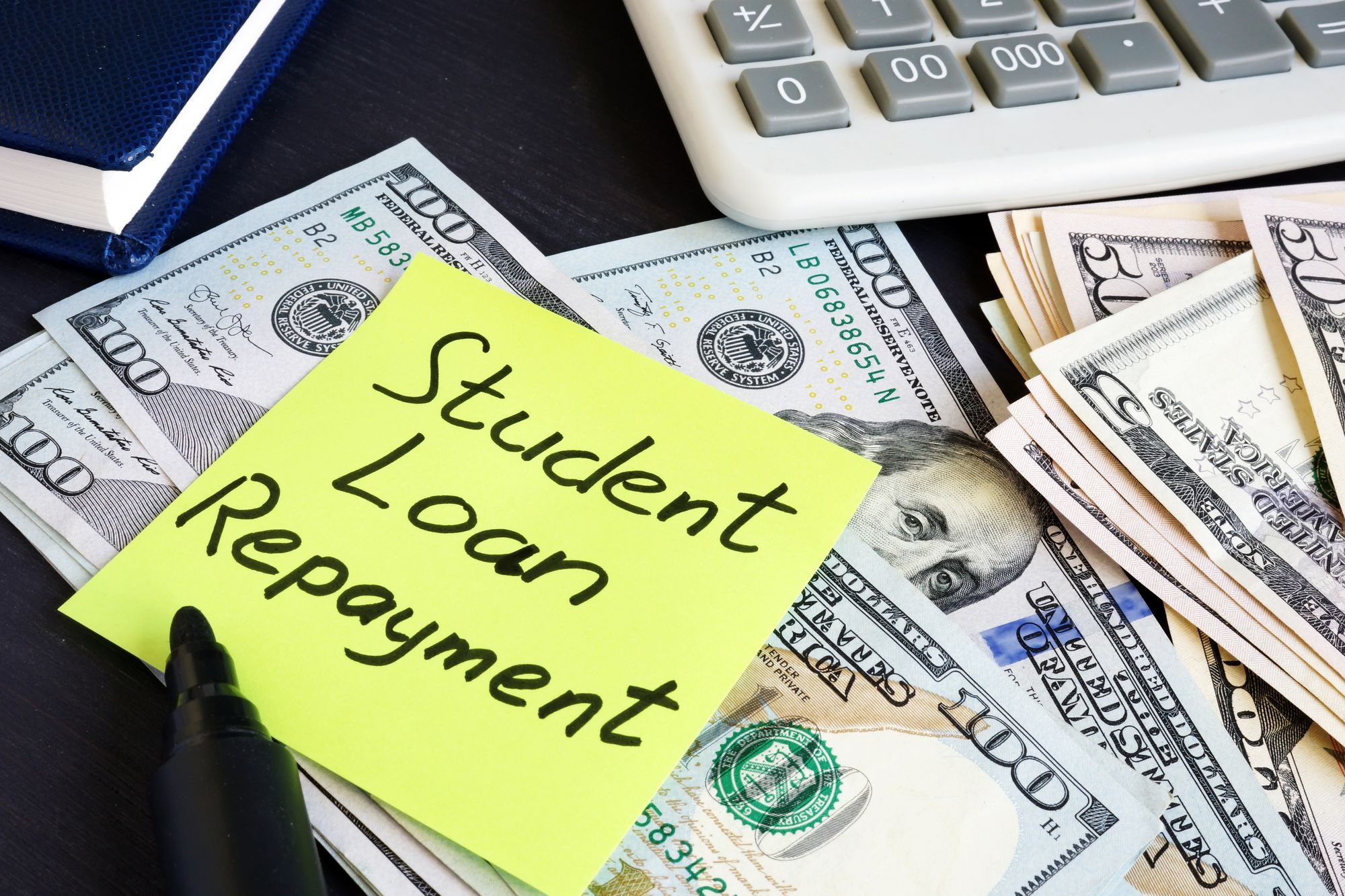
Millions of borrowers are considered in default, meaning they are 270 days past due on their payments (Getty Images/iStockphoto)
Federal student loan wage garnishment is set to resume in 2026 for an estimated 5.3 million borrowers who have defaulted on their loans with letters going out beginning the week of Jan. 7.
The garnishment, which can take up to 15% of a borrower's paycheck, was paused during the pandemic but is now returning as a standard federal collection practice. The Department of Education will notify borrowers at least 30 days before garnishment begins, which continues until the defaulted loan is paid or the default status is resolved.
The prospect of wage garnishment can be scary, but it shouldn’t stop you from taking action, said Leslie H. Tayne, a debt expert and founder of New York-based Tayne Law Group.
“A lot of borrowers who are in default avoid their lenders due to shame or not having income to make the payments, but communication with debt repayment is key,” Tayne told The Independent. “A lot of the time, the lender can offer a helpful solution that can assist the borrower in getting back on their feet.”
Borrowers have several options to avoid or stop wage garnishment, including paying off the loan, entering a loan rehabilitation payment plan, or consolidating their loans. Debt experts advise borrowers to communicate with their lenders early to explore solutions and, if garnishment is unavoidable, to adjust their budget and expenses.



Bookmark popover
Removed from bookmarks