Unlikely, non-invasive treatment could significantly improve sleep
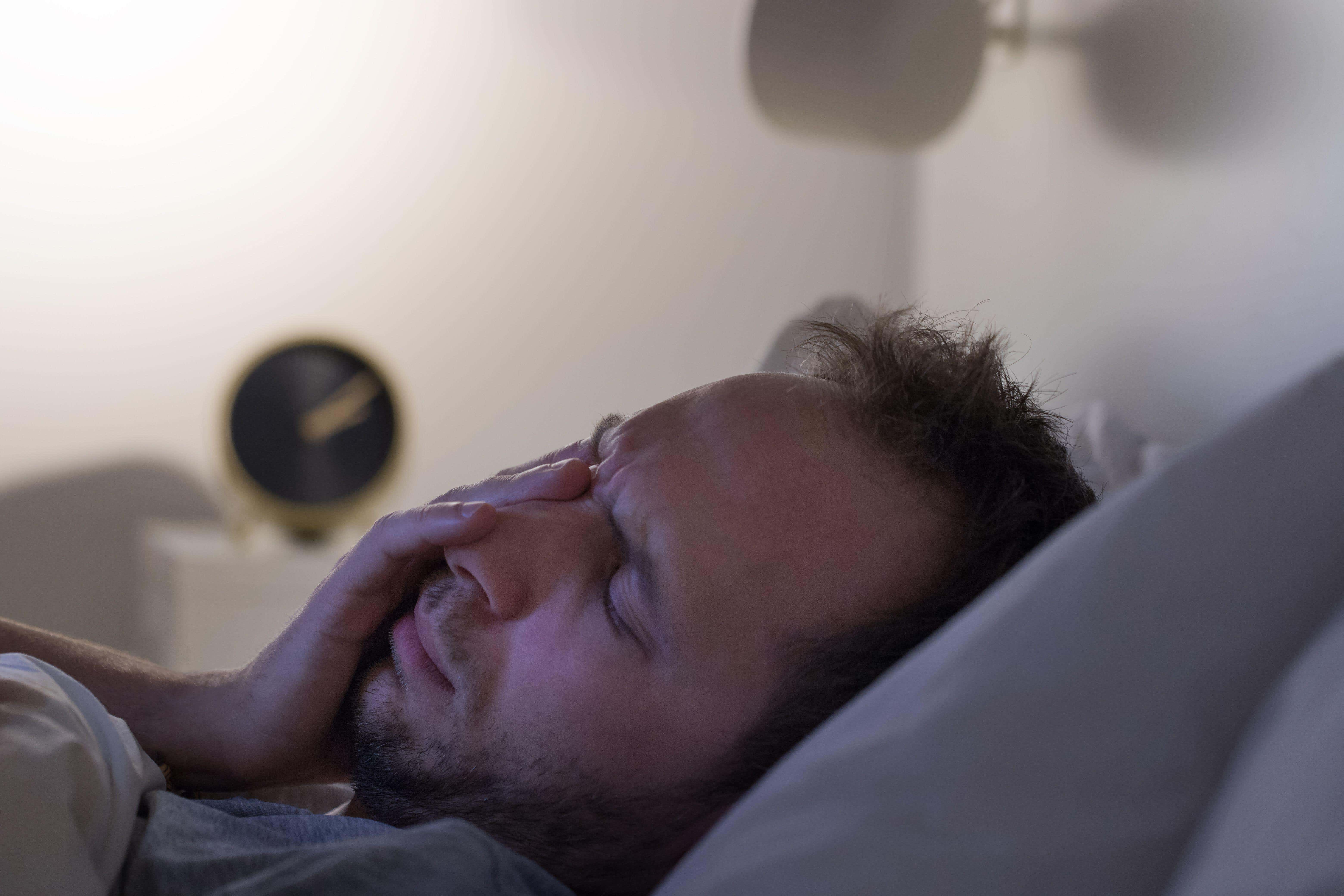
Obstructive sleep apnoea affects an estimated eight million people in the UK (Alamy/PA)
An ancient ritual of shankh blowing, involving forceful exhalation into a conch shell, shows promise as a non-invasive treatment for obstructive sleep apnoea (OSA).
A small trial in India found that participants who practised shankh blowing for six months reported better sleep, 34 per cent less daytime sleepiness, and fewer breathing interruptions during the night.
Researchers suggest the technique strengthens upper airway muscles, which are often implicated in OSA, potentially offering an alternative to uncomfortable continuous positive airway pressure (CPAP) machines.
Obstructive sleep apnoea affects an estimated eight million people in the UK, causing symptoms like loud snoring and frequent awakenings due to throat muscle relaxation.
Further larger-scale trials are planned to validate these findings, compare shankh blowing with standard treatments, and assess its long-term effectiveness for a wider population.